
Looking for breast cancer support Canada offers? National charities, cancer agencies and hospital teams each describe their own services, and this page summarizes what they say.
It is general information only, and it does not rank or endorse any organization.
It is an independent information page that takes no registrations and is not affiliated with any organization named here. It sits within the overview of breast reconstruction in Canada, and decisions about surgery and recovery belong with the reader’s own surgeon and care team.
| Item | What the source says |
|---|---|
| Supportive care | Helps with physical, practical, emotional and spiritual challenges of breast cancer. |
| After treatment ends | May bring mixed emotions; long-term side effects may still need coping. |
| Recovery | Differs for each woman, depending on cancer stage and treatments. |
| Cancer Information Helpline | National, toll-free service giving general answers about cancer or prevention. |
| CancerConnection.ca | Online community for sharing experiences and building supportive relationships. |
These points come from the Canadian Cancer Society pages on supportive care and how it can help; this information can change, so please check the source.
What supportive care covers
The Canadian Cancer Society describes supportive care in broad terms. It says that supportive care helps people meet the physical, practical, emotional and spiritual challenges of breast cancer, and is an important part of cancer care.
The end of treatment is not always a relief on its own. The Society notes that the end of cancer treatment may bring mixed emotions, and that there may be other issues to deal with even after treatment, such as coping with long-term side effects. Recovering from breast cancer and adjusting to life afterwards is different for each woman, depending on the stage of the cancer and the treatments received.
The Society also encourages people to talk about their options after surgery. It advises talking to the healthcare team, family, friends and people who have gone through the same experience about the options available after surgery for breast cancer. That advice applies to reconstruction decisions as well as to emotional support.
Canadian Cancer Society programs and services
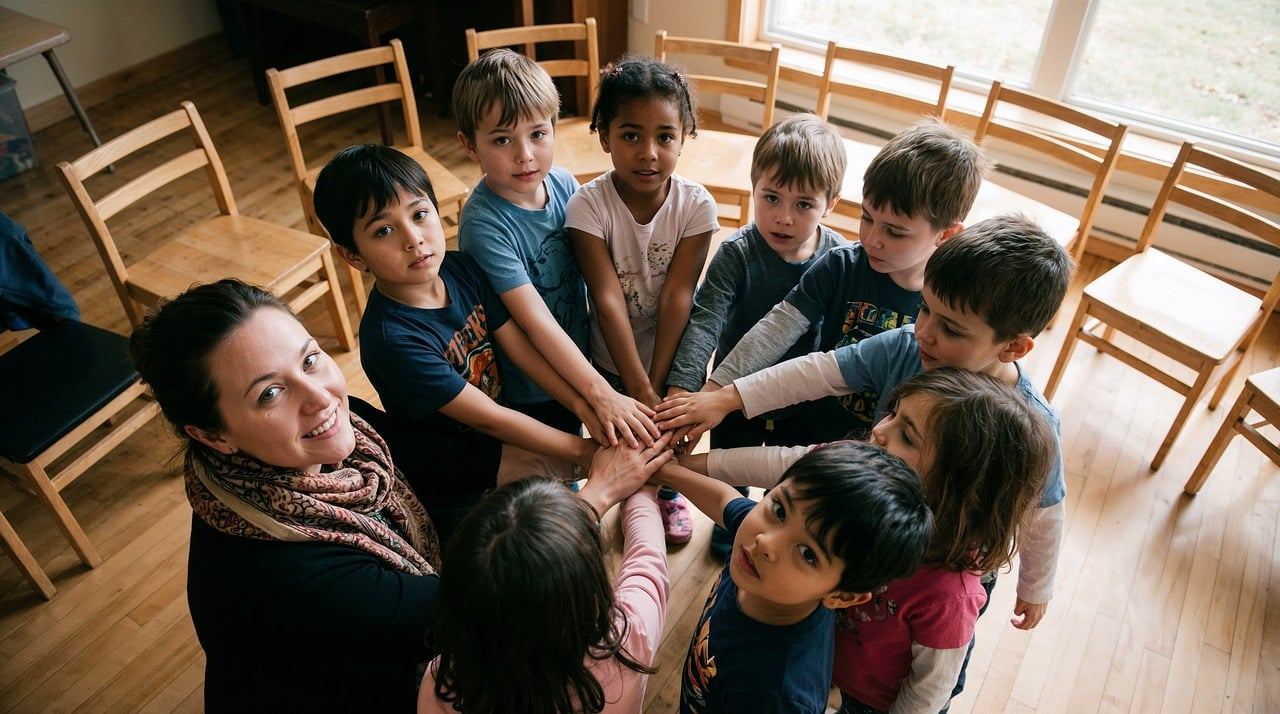
The Society states that it offers a support system for people with cancer and their family, friends and caregivers, with programs and services that help answer questions about cancer, manage life with cancer, find community and connection, and build wellness and resilience.
Several services are described on that page. Its Cancer Information Helpline is presented as a national, toll-free service, and the Society says its information specialists are trained professionals who can provide general answers to questions about cancer or cancer prevention. CancerConnection.ca is described as an online community that helps people who have cancer, cancer survivors and caregivers share their experiences and build supportive relationships. The Society also describes a moderated online community, publications covering the path from diagnosis to life after cancer, and supports for children, youth and families.
For people who have had a mastectomy, the Society says that for people looking for a wig, head covering, breast prosthesis or breast accessory, it can help find free, high-quality products. Costs for prostheses and bras are covered in the page on breast reconstruction coverage in Canada.
On its information specialist page, the Society explains that the helpline is for people with cancer, their caregivers, families and friends, the general public and healthcare professionals. The topics it lists include cancer treatment and side effects, clinical trials, coping with cancer, emotional support services, prevention, help in the community and complementary therapies. It says the service is available Monday to Friday in English and French, and that an interpreter service is accessible for other languages.
Practical needs are part of the picture too. The Society says people can stay at one of its lodges, which provide safe and peaceful accommodation close to where they receive cancer treatment, and that its Community Services Locator can be used to search a database of cancer-related services nationwide. For people who travel for care, these descriptions are a starting point for questions to put to the care team.
Canadian Breast Cancer Network
The Canadian Breast Cancer Network describes itself in its mission statement as Canada’s leading patient-directed breast cancer health charity that voices the views and concerns of breast cancer patients through the promotion of information sharing, education and advocacy activities. Its stated vision is to ensure the best quality of life for people in Canada diagnosed with breast cancer.
The network says its patient education provides current, credible and accessible breast cancer resources delivered through digital platforms, navigation tools and patient-centred events. On its navigation tools page it lists several tools. PatientPath is described as a tool that tailors information, resources and a general treatment plan based on stage, type and subtype. SurgeryGuide is described as a guide to understanding surgical options. MedSearch helps people find information about breast cancer drugs approved for sale in Canada, and FinancialNavigator offers information on how to plan and prepare for the impacts of a diagnosis, including health insurance, travel, taxes, and the impact on work or school.
These descriptions come from the organization’s own pages, and they are summaries of what it states rather than a judgment of how well any tool works. Readers who use such tools can bring what they learn to their care team, who can say how it applies to their situation. Questions about devices and regulators are covered separately in the page on breast implant safety Canada.
The network also describes a range of topics under living with breast cancer, such as coping and sharing the news, supporting mental health, relationships and sexual health, daily life and practical matters, and life after treatment. It also lists a section on living with metastatic breast cancer. A reader can browse those topics on the organization’s site to see which are relevant, and the organization itself is the right place to confirm what each resource covers.
Provincial cancer agencies
Provincial agencies and hospital teams also provide support. As an example, BC Cancer states that dealing with cancer can cause intense emotions, and many people with cancer will experience emotional distress.
The same agency says counselling is part of the healthcare team, and that its counsellors can assess a person’s situation, give support and help find services or programs. It also lists its library, where librarians help people find information, and an information line that gives free information 24 hours a day about symptoms, causes, treatments and support programs.
Other provinces and territories have their own agencies and services, with their own names and rules. A person can ask the care team which programs are available in their region, because eligibility and format vary and the details change over time.
Finding the right kind of help
Different organizations offer different kinds of help. A person who is unsure where to begin can ask their care team for local referrals, and can use the organizations’ own pages to read what each offers before deciding whether to contact it.
Joining any program is a personal choice, and nothing on this page signs anyone up. Each organization handles its own contact, eligibility and registration, and its own page is the place to confirm details.
Frequently asked questions
Is support only for people in treatment?
Show answer
No. The Canadian Cancer Society says programs and services are available especially after treatment has ended, as well as during it.
Do these organizations charge for information?
Show answer
Fees differ by organization and program, so each organization’s own page is the place to check. BC Cancer, for example, describes its information line as free.
Can a person talk to someone who has had the same experience?
Show answer
The Canadian Cancer Society describes an online community for people with cancer, survivors and caregivers, and BC Cancer describes cancer-specific support groups.
Does this site register people for programs?
Show answer
No. This page is general information, and each organization handles its own contact and registration.