Breast reconstruction recovery usually unfolds in stages over weeks and months, with the pace depending on the type of operation. Implant-based procedures tend to move faster than reconstructions that use the body’s own tissue.
This page walks through a typical timeline. For the wider picture of healing, see the hub on life after breast cancer surgery.
| Recovery milestone | What to expect |
|---|---|
| Soreness and tiredness after implant surgery | Most people feel this way for about 1 to 2 weeks |
| Bruising and swelling | Can take up to 8 weeks to improve |
| Activity limits | Avoid heavy lifting and strenuous exercise for about 4 to 6 weeks |
| Hospital stay | Many people go home within a few days |
| Wound healing | Most people find wounds take about 2 to 3 weeks to heal |
These figures come from the American Cancer Society and Cancer Research UK; information can change, so check the sources for the latest.
The first days in the hospital
Length of stay depends on the operation. The American Cancer Society says many people go home within a few days, though a person may leave the hospital with one or more drains still in place. A drain is a small tube placed in the wound to remove extra fluid as the body heals, and the surgical team removes it once the fluid decreases to a safe level.
Cancer Research UK describes wound drains after breast surgery as staying in until they drain only small amounts of fluid, usually about 2 to 5 days after the operation, and notes that people can go home with a drain still in. Nurses give written instructions for caring for it, and a district nurse may check it at home.
Soreness and tiredness are expected. People who have had a longer operation, such as reconstruction at the same time as a mastectomy, may also wake up with a bladder catheter and a drip for fluids. The types of operation involved are covered in the guide to types of mastectomy.
The first weeks at home
The early weeks are mostly about rest, wound care and gradually increasing gentle movement. The American Cancer Society notes that it is normal to feel tired and sore, and that most people feel this way for about 1 to 2 weeks after implant surgery. The same page says this usually lasts longer after a flap procedure, because more than one part of the body is involved.
The American Cancer Society says that, in general, people should avoid heavy lifting, overhead movements and strenuous exercise for about 4 to 6 weeks, and it adds that each person should follow their own surgeon’s advice about activity.
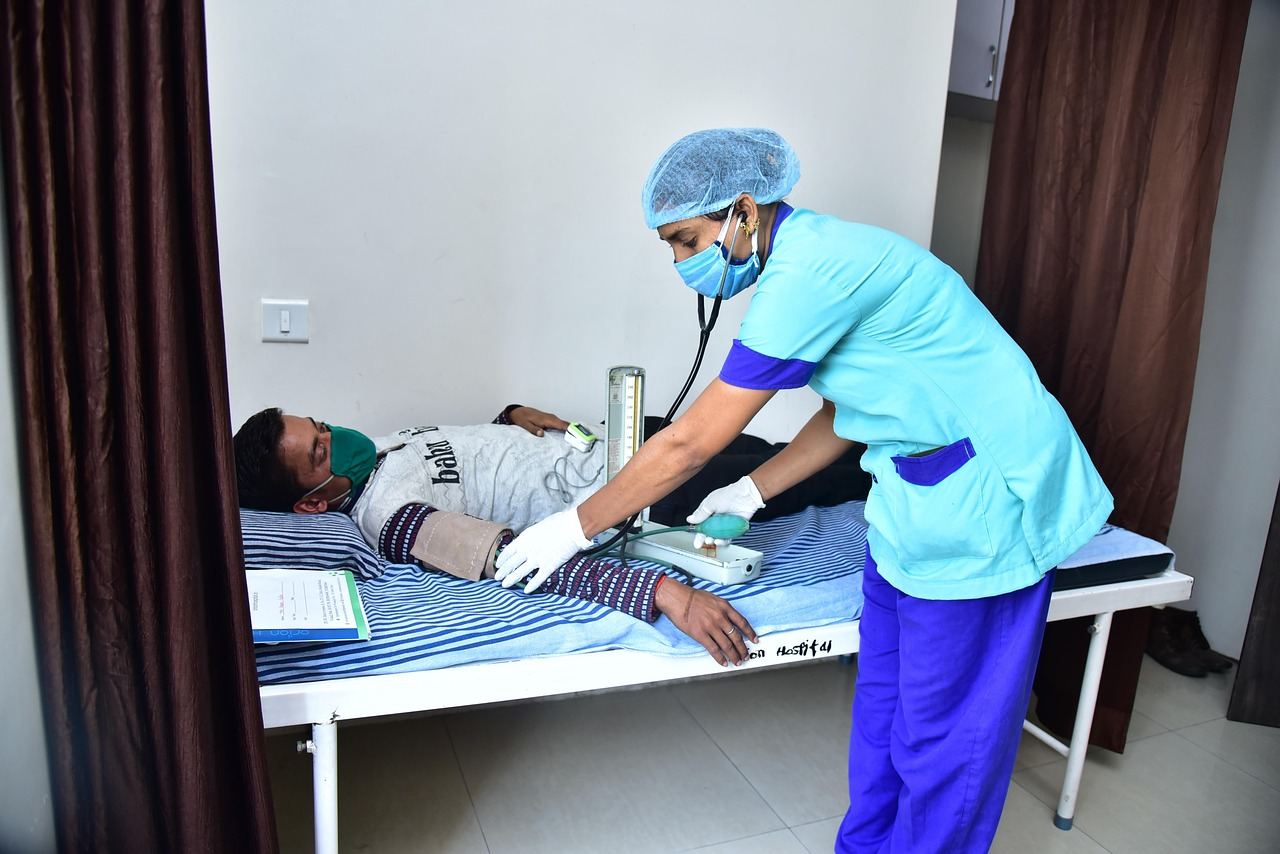
Cancer Research UK says wounds after breast surgery take about 2 to 3 weeks to heal, and that the area may be bruised and swollen at first. A first check with the surgeon usually happens one to two weeks after the operation, when the wound is examined and the results are explained.
A supportive bra is often part of the routine. Cancer Research UK says a surgeon or breast care nurse may suggest a soft supportive bra, which can be worn day and night for a couple of weeks, with a front-fastening style often more comfortable.
Day-to-day life during these weeks often revolves around small practical routines: emptying and recording drain output if instructed, wearing the garment the care team recommends, taking prescribed pain relief, and walking short distances as comfort allows. The care team can say what counts as normal for the specific operation.
How the type of reconstruction changes the timeline
Different techniques carry different recovery periods. Cancer Research UK describes a back flap (latissimus dorsi) operation as needing a hospital stay of up to 5 days, with about 6 weeks or more to get over the surgery. For an abdominal flap using the TRAM technique, it describes a stay of about a week and about 7 weeks in all before recovery, with another 6 months or more before the abdomen is as supple as before.
Hospital patient information from Cambridge University Hospitals says that reconstruction using an implant with a supporting tissue layer is likely to take approximately four to six weeks to recover from, although it may be a couple of months before a person feels completely recovered.
A research team that followed people after mastectomy, with and without immediate reconstruction, reported a slower return to specific activities after reconstruction, and slower still after reconstruction with the body’s own tissue than with an implant. In that prospective questionnaire study, returning to driving and work took 3-4 months after autologous reconstruction compared with 1-2 months after implant reconstruction. The authors describe the study as feasible and say a larger study is needed to confirm the findings, so the figures are best read as one example rather than a rule.
Swelling, scars and the months that follow
Visible healing continues well after a person feels back to normal routines. The American Cancer Society says that bruising and swelling can take up to 8 weeks to improve and that full healing may take 1 to 2 years. It adds that scars will fade but will not go away completely.
The Canadian Cancer Society points out that it may take several months for tissue to heal and become soft after breast reconstruction. The reconstructed breast may feel softer or firmer than the natural breast, depending on the technique used.
Discomfort that lingers or changes is one reason to keep up with appointments. Typical sensations and how they are managed are discussed in the guide to pain after breast surgery.
Recovery is also emotional and practical. Building rest into the day, eating a balanced diet and accepting offers of help are common suggestions in that guidance. Returning to work, driving and exercise is usually negotiated step by step with the care team rather than on a fixed date.
Follow-up visits and staged procedures
Follow-up care checks for complications and tracks healing. According to the Canadian Cancer Society, depending on the type of reconstruction, a person may have follow-up visits each week or month during the first year, with visits becoming less frequent as the body heals.
Some reconstructions happen in stages. Cambridge University Hospitals notes that when a tissue expander is used, gradual expansion usually does not start until the wounds have completely healed, which is between two to six weeks after the surgery. Later procedures can follow once the breast has settled, and each stage has its own short recovery.
Decisions about surgery, activity limits and recovery belong with the reader’s own surgeon and care team, who know the details of the operation and any health conditions involved. The timelines above are general ranges from published patient information, and individual recovery can be quicker or slower.
Frequently asked questions
How long do surgical drains stay in?
Show answer
Drains stay until the fluid they collect drops to a small amount, which Cancer Research UK puts at about 2 to 5 days after the operation. The surgical team decides when each one comes out.
Does recovery take longer after flap surgery than after implant surgery?
Show answer
Published patient information generally describes a longer recovery after flap procedures, because a second area of the body is involved in the operation.
When will swelling settle?
Show answer
Improvement in visible swelling is gradual. Patient guidance cited above puts early improvement at up to 8 weeks, while complete healing can stretch to 1 to 2 years.
Who decides when normal activities can resume?
Show answer
The reader’s own surgeon and care team. They set activity limits based on the operation performed and how the wound is healing.