For many people, life after breast cancer surgery involves physical healing, follow-up care and emotional adjustment, and the pace differs for each person.
This hub gives general information on what recovery can involve and where to read more.
It is the starting point for the Health section of this independent site, and each topic below links to a fuller guide.
| Topic | What the NHS says |
|---|---|
| Return to usual activities | After mastectomy you may be able to do most usual activities in around 3 weeks, but it can take longer. |
| Wound healing | After mastectomy, wounds can take around 6 weeks to heal fully. |
| Heavy lifting | After mastectomy, avoid heavy lifting for 2 to 3 weeks. |
| Drains | Drains are temporary and usually removed within a few days or weeks. |
| Appointment before surgery | Usually a general health check a few days or weeks before mastectomy. |
These points come from the NHS mastectomy recovery page. Information can change, so please check the source for the latest advice.
What recovery looks like in the first weeks
The first weeks after an operation are mostly about rest, wound care and gradually returning to daily routines. What this looks like depends on the operation, on whether reconstruction was done at the same time and on a person’s overall health. The surgical team usually explains how to look after the wound, which exercises to do and which warning signs to watch for before the person leaves hospital.
For a mastectomy, the NHS describes a typical pattern. Many people can return to most usual activities in around 3 weeks, although it can take longer, and wounds can take around 6 weeks to heal fully. Heavy lifting and strenuous activity are generally avoided for 2 to 3 weeks after surgery. Feeling tired and sore during this period is described as normal, and small tasks can feel difficult at first.
The NHS notes that these are temporary and are usually removed within a few days or weeks. Staying in hospital can also be longer when reconstruction is done at the same time as the mastectomy, because there is more surgery to recover from.
Recovery also begins before the operation. The NHS says that people usually have an appointment a few days or weeks beforehand to check their general health and to talk with the surgeon or specialist nurse about the surgery and ask questions. Knowing what to expect tends to make the first week less stressful, even though every operation and every recovery is different.

Practical habits that health services commonly mention include resting when needed, doing the exercises the hospital provides, eating a balanced diet and talking to family, friends or support groups about how things are going. Smoking can interfere with wound healing, and the NHS advises against it. Driving is generally left until the wounds have healed and a seatbelt feels comfortable, and the care team can confirm when that point has been reached.
Recovery is rarely a straight line. Good days and tired days often alternate, and a setback in energy does not necessarily mean something is wrong. Questions about any symptom are best put to the surgeon or specialist nurse, who know the details of the individual operation. The page on breast reconstruction recovery walks through a typical timeline for people who have had reconstruction.
Physical changes in the arm, shoulder and chest
Surgery under the arm or across the chest can affect how the upper body feels and moves. The Canadian Cancer Society explains in its supportive care information that both surgery and radiation therapy can affect the arm and shoulder on the treated side. The arm and shoulder may become stiff and sore, and moving them can be harder than before.
The same page describes axillary web syndrome, sometimes called cording. This is when tender or painful rope-like structures develop below the skin a few weeks after surgery and can run down the arm from the underarm to the wrist. Physical rehabilitation exercises are described as a way to reduce stiffness and pain, improve range of motion and help people get back to normal day-to-day activities.
Swelling and lymphedema
Lymphedema is swelling that happens when lymph fluid cannot flow normally and builds up in the soft tissues of a limb. According to the Canadian Cancer Society, it can develop in the arm if the lymph nodes under the arm are removed or damaged. The advice given is to tell the healthcare team about any swelling or puffiness in the hand or arm, since they can suggest ways to manage it.
The NHS lymphoedema page adds that an aching or heavy feeling, jewellery or clothing feeling tight, and difficulty with movement can all be symptoms. It stresses that lymphoedema should be identified and treated as soon as possible, because without treatment it can get worse. The guide to lymphedema after breast surgery covers risk and prevention in more detail.
Pain and nerve sensations
Pain is common after breast cancer surgery, and the Canadian Cancer Society says that in most cases it goes away over time. Post-mastectomy pain syndrome happens when nerves in the breast or underarm area are damaged during surgery or when scar tissue develops in these nerves. It can be felt in the chest, armpit and arm on the side of the surgery, and it may be dull and aching or sharp and stabbing.
A smaller number of people feel phantom breast pain after a mastectomy, which means pain in the breast that was removed. Symptoms can include itching, tingling, throbbing or a sense of pressure on the chest. Treatments listed by the Canadian Cancer Society include pain medicines, transcutaneous electrical nerve stimulation, capsaicin cream, massage and botulinum toxin injections, and the care team works out a plan based on the person’s needs. The article on pain after breast surgery explains what is common and how it is managed.
Wounds, scars and complications
The NHS lists bleeding from the wounds, a build-up of fluid around the wounds called a seroma, infection, painful scarring, blood clots, numbness in the arm, shoulder stiffness and swelling among the possibilities, and notes that not everyone has them. The NHS also lists sudden pain or swelling, bleeding from the wounds and sudden loss of feeling in the arm as reasons to seek urgent advice. Anyone in Canada who is worried about a symptom after surgery should contact their surgeon, their specialist nurse or local emergency services rather than wait.
Scars change gradually as wounds heal, and people often have questions about what is normal during that process. The guide to scar care after breast surgery looks at healing over time.
How the type of surgery shapes recovery
Recovery is closely tied to the operation that was done. The Canadian Cancer Society explains on its surgery page that the type of surgery depends mainly on the size and location of the tumour, the size of the breast, whether the cancer has spread to the lymph nodes and any other treatments already had. The team also considers overall health and the type of surgery the person wants to have.
Operations can also involve checking or removing lymph nodes under the arm, which is one of the reasons arm symptoms are discussed so often after treatment. Descriptions of each operation, from skin-sparing approaches to more extensive ones, are collected in the guide to types of mastectomy.
Surgery is commonly used along with other treatments. The Canadian Cancer Society notes that chemotherapy may be given before surgery to shrink a large tumour so that it is easier to remove, and that the choice of surgery may affect other treatments before or after the operation. Radiation therapy is one of those treatments, and how it fits around reconstruction is a frequent question, addressed in the article on radiation therapy and breast reconstruction.
Reconstruction as part of recovery
The NHS describes this as making a new breast using an implant or, sometimes, skin, fat or muscle from another part of the body. Whether to have reconstruction, and when, is a personal decision made with the surgical team. People who choose not to have it are also well supported by the same health services, and the NHS points to support organisations for those who have had a mastectomy without reconstructive surgery.
The wider options and timing are laid out in the main guide to breast reconstruction. Questions about access, coverage and care within the Canadian system are covered in the Canada section, beginning with breast reconstruction in Canada.
Emotional wellbeing, body image and relationships
Healing is not only physical. The Canadian Cancer Society says that breast cancer and its treatments can affect self-esteem and body image, and that feelings may change because a person no longer has a breast or lost their hair during treatment. The recommended step is to talk to the healthcare team, who can help with coping and finding support.
The National Cancer Institute describes the period after treatment in similar human terms on its page about life after cancer treatment. People often feel relief but also anxiety, sadness or uncertainty, and it can be hard when others assume they are ready to move on. The NCI describes the idea of a new normal, which is less about getting back to normal and more about finding out what is normal now. A new normal may include permanent scars, changes in routines, new sources of support and concerns about body image or sexuality.
Sexuality and intimacy are part of this picture. The Canadian Cancer Society notes that breast cancer treatment can affect sexuality and sexual function, and can also affect a partner and the relationship. It says that talking honestly about sex with a partner and getting help from the healthcare team offer the best chance of coping with sexual changes.
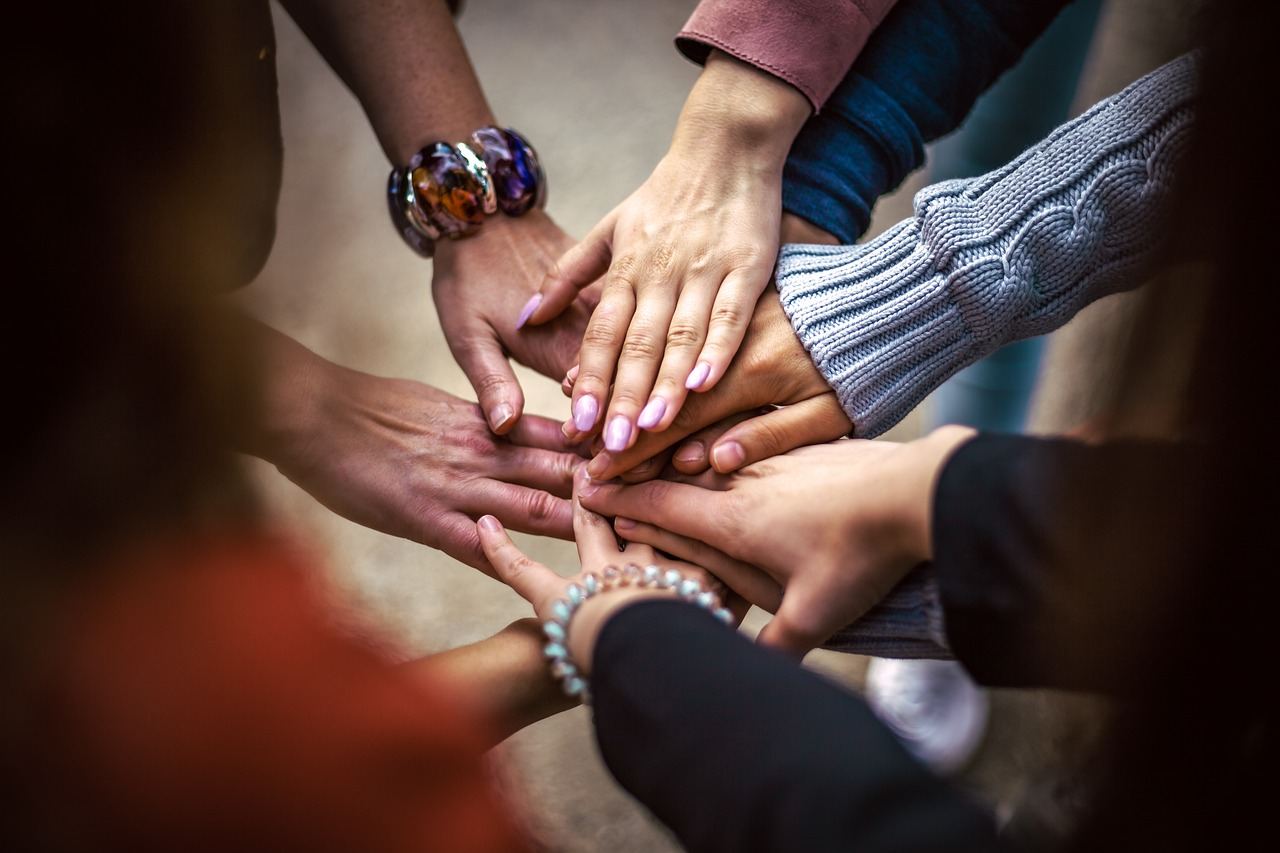
Support can take several forms: conversations with family and friends, peer groups, counselling and the specialist nurse. The NHS points to charities that offer information and support for anyone affected by breast cancer, including a group for women who have had a mastectomy without reconstruction. A fuller discussion of body image, grief and where to find help is in the guide to emotional wellbeing after mastectomy.
Staying active and looking after general health
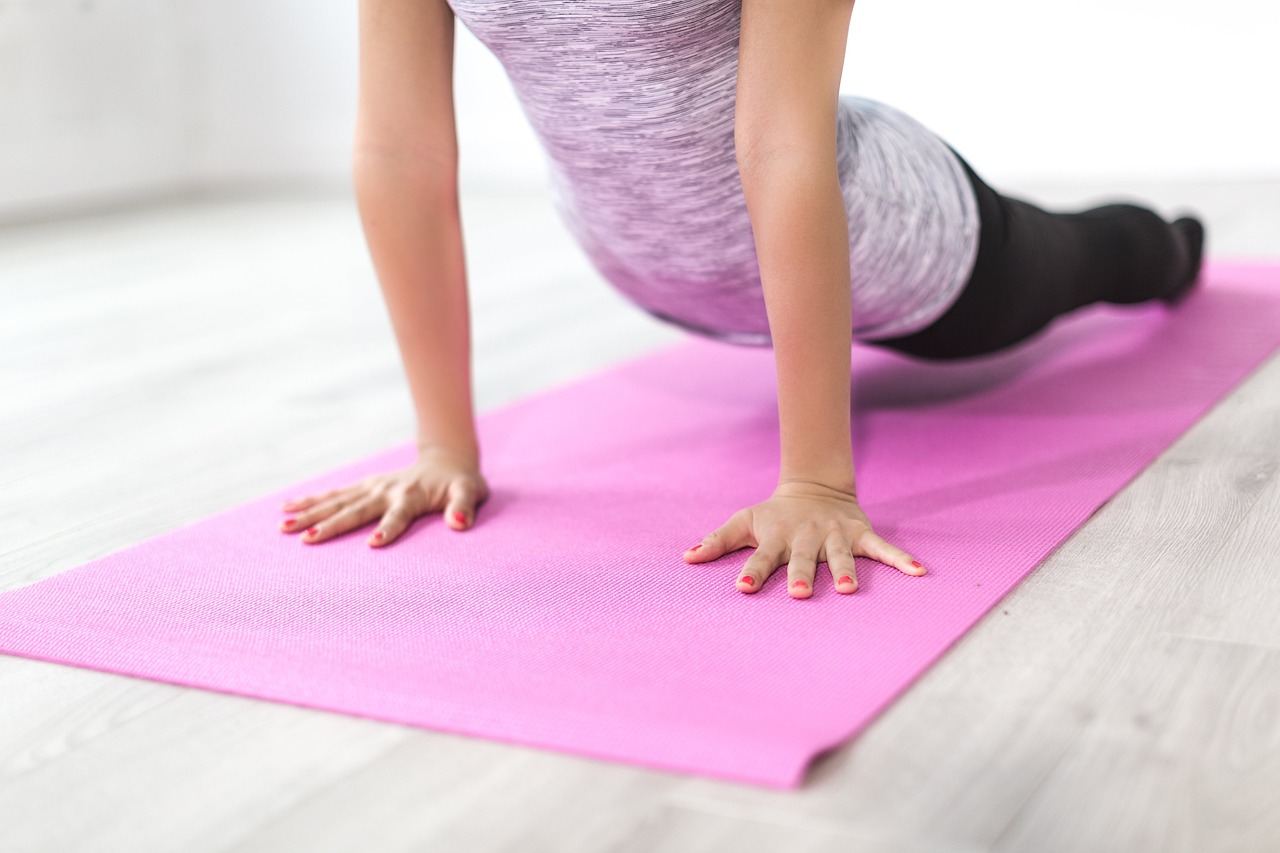
The Canadian Cancer Society says that exercise can help reduce side effects during chemotherapy and hormonal therapy, and can help with fatigue, anxiety and stress. A physically active lifestyle, described as light to moderate exercise such as walking, biking or swimming, is said to improve quality of life and help maintain a healthy body weight after treatment.
The same page is careful about survival. The practical takeaway from that wording is that activity is valued for how it helps people feel and function, not as a guarantee.
After surgery, the timing of any particular movement matters, and the surgeon or physiotherapist decides when to begin. The article on exercise after breast reconstruction describes how people typically return to activity, and the rehabilitation exercises mentioned earlier are a starting point.
Fertility is another topic that people sometimes raise. Anyone who may want children in the future is advised to talk to the healthcare team before treatment starts.
Follow-up care and the longer term
When active treatment ends, regular check-ups usually continue. The National Cancer Institute explains in its follow-up care guidance that people generally return to the doctor every 3 to 4 months during the first 2 to 3 years after treatment, and once or twice a year after that. How often depends on the type of cancer, the treatment received and overall health, so each person’s schedule differs.
The NCI also describes a follow-up care plan, which is a summary of treatment along with recommendations for care after treatment ends. It can include suggestions for emotional, social or financial needs. The NCI lists questions worth asking, such as which doctors to see, which symptoms to watch for, which long-term health issues might be expected and which support groups might help. Writing the questions down before an appointment can make the visit easier.
The Canadian Cancer Society adds that recovering from breast cancer and adjusting to life after treatment is different for each woman, depending on the stage of the cancer and the treatments received. Long-term side effects can need attention even after treatment is over, which is one reason regular contact with the care team matters.
This site is an independent source of general information and does not give medical advice. Decisions about surgery, recovery and follow-up belong with each reader’s own surgeon and care team, who know the details of the individual situation.
Frequently asked questions
How long does recovery from a mastectomy usually take?
Show answer
The NHS says it can take several weeks, with many people returning to most usual activities in around 3 weeks and wounds taking around 6 weeks to heal fully. Recovery can take longer, particularly when reconstruction is done at the same time, and the surgical team gives advice specific to the operation.
Is pain after breast cancer surgery normal?
Show answer
Anyone with pain that continues or affects daily life is encouraged to tell the healthcare team, who can suggest treatments.
What is lymphedema and who can develop it?
Show answer
It is swelling of an arm or other limb caused by trapped lymph fluid. People who have had lymph nodes removed or damaged during breast cancer treatment are among those who can develop it, and any new puffiness, tightness or heaviness is worth reporting to the healthcare team promptly.
How can people cope with changes in body image?
Show answer
The Canadian Cancer Society says that breast cancer and its treatments can affect self-esteem and body image, and recommends talking to the healthcare team, who can help with coping and finding support.
Do follow-up visits continue after treatment ends?
Show answer
Yes. The National Cancer Institute says people generally return to the doctor every 3 to 4 months during the first 2 to 3 years after treatment and once or twice a year after that, with the schedule depending on the cancer, the treatment and overall health.