If you are thinking about nipple reconstruction, it helps to know it is an optional final stage of rebuilding a breast after mastectomy. It usually happens only after the reconstructed breast has healed and settled.
This guide explains the main approaches and what recovery involves. It belongs to the wider topic of breast reconstruction, which is covered in full in the main guide.
| Topic | What to know |
|---|---|
| Timing of surgery | May be up to four to six months after breast reconstruction |
| Surgical nipple | Made by moving small pieces of skin from the breast |
| Tattoo without surgery | You can choose a nipple tattoo on its own |
| Tattoo healing time | Skin heals in about seven to 10 days |
| 3-D tattoo feel | Flat to the touch but looks realistic |
| Sensation | Feeling won’t be the same as before |
These points come from the National Cancer Institute and Cleveland Clinic; information can change, so please check the sources for the latest details.
Where nipple reconstruction fits in the process
The National Cancer Institute explains that in the final stage of breast reconstruction, a nipple and areola may be re-created on the reconstructed breast if they were not preserved during the mastectomy.
Timing is deliberate. The Christie NHS Foundation Trust says that about 3 to 4 months after the wounds have healed, and once the shape of the reconstructed breast has settled, the nipple and areola complex can be reconstructed, as described on its nipple reconstruction page. Cleveland Clinic gives a similar picture, saying the procedure date for nipple reconstruction surgery may be up to four to six months after breast reconstruction surgery, according to its nipple reconstruction overview.
Waiting lets the breast mound reach its final position first. Where a reconstruction relied on a tissue expander and a later implant exchange, or on any other staged approach, the nipple stage generally comes last so that it can be placed accurately against the finished breast shape.
It is also a choice. The Christie explains that a person may be happy with the breast mound reconstruction and may choose not to have nipple reconstruction at all. Guy’s and St Thomas’ NHS Foundation Trust states plainly that choosing to have nipple-areola tattooing is entirely up to the individual.
The main options for recreating a nipple and areola
Cleveland Clinic describes the types of nipple reconstruction as graft, flap and tattoo. Each addresses a different part of the result: projection, colour, or both. The options below are summarised in general terms.
| Approach | What it involves | What it gives |
|---|---|---|
| Skin flap nipple | Small pieces of skin from the reconstructed breast are moved and shaped | A nipple with projection |
| Skin graft areola | Skin from another part of the body is used for the areola | A surface for the areola |
| Medical or 3-D tattoo | Pigment is applied with a needle, with shading for depth | Colour and a realistic look, flat to the touch |
| Stick-on prosthesis | A removable nipple-areola piece, sometimes custom-made | A non-surgical alternative |
The descriptions in this table draw on the National Cancer Institute reconstruction fact sheet and the Christie nipple reconstruction page.
Surgical nipple reconstruction
For surgical nipple reconstruction, the National Cancer Institute says the new nipple is created by cutting and moving small pieces of skin from the reconstructed breast to the nipple site and shaping them into a new nipple. The areola is handled separately.
The Christie says surgery is usually done under local anaesthesia as an outpatient day procedure, with the surgeon marking the position of the new nipple beforehand to match the other side where there is one.
After surgery there is a dressing over the area, usually with the new nipple left visible through a hole in it. The Christie describes an outpatient dressing clinic appointment in 1 week, when the dressing is removed and the wound checked.
Medical tattooing and 3-D areola tattoos
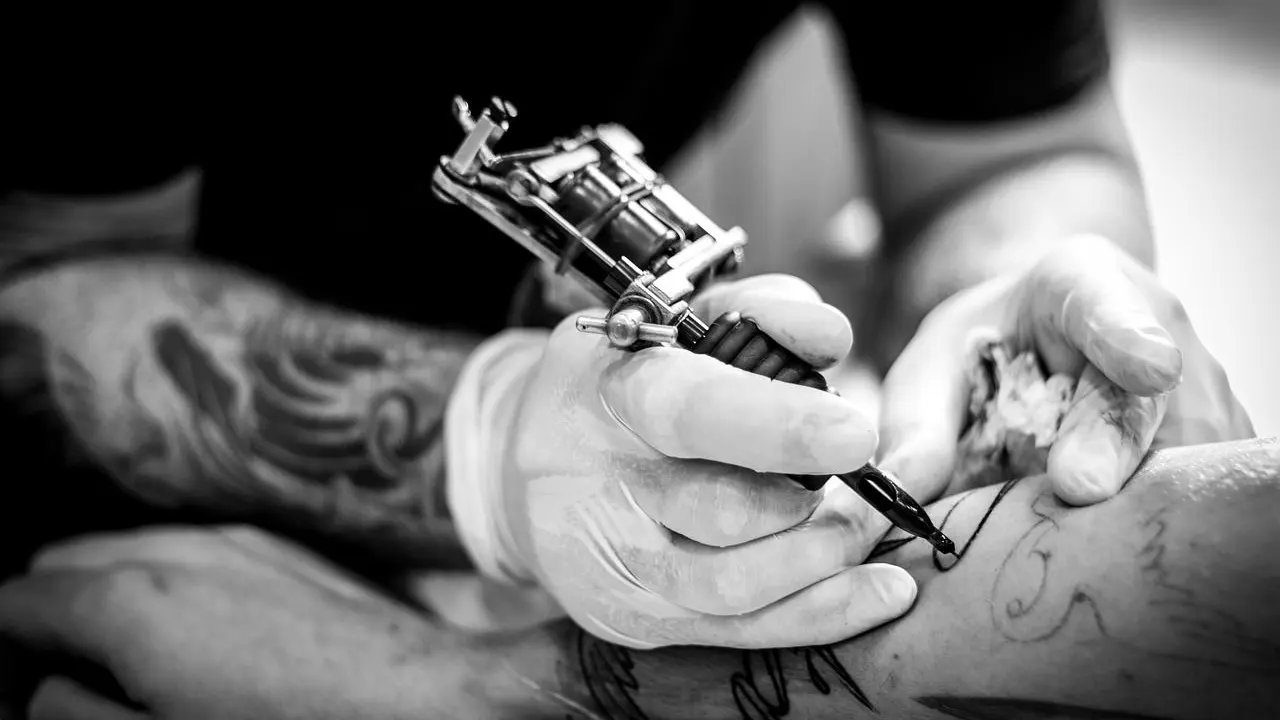
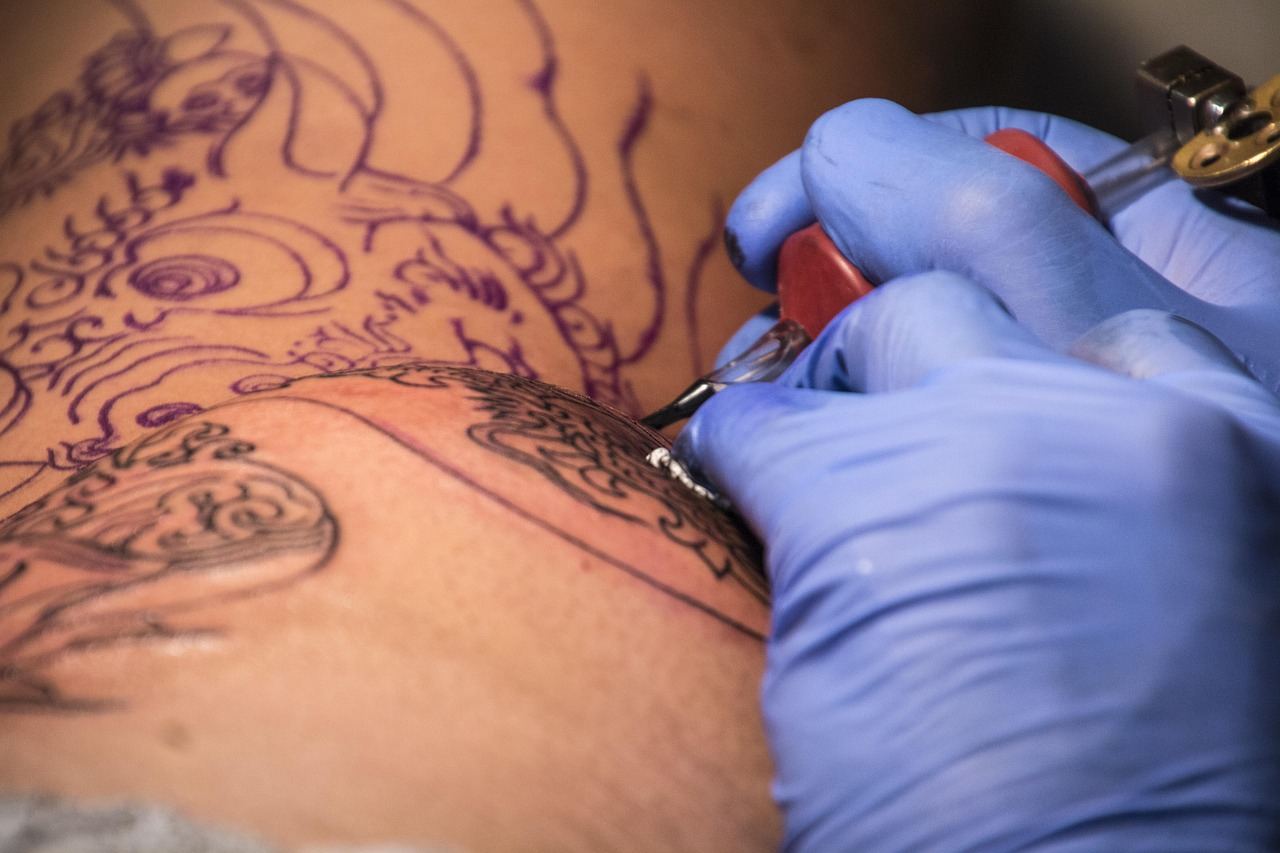
Tattooing can be done on its own or after surgery. The National Cancer Institute notes that a new nipple and areola can be created by a tattoo artist who specializes in 3-D nipple tattooing, and that such a nipple is flat to the touch but looks realistic. Cleveland Clinic confirms that a nipple tattoo can be chosen on its own if someone decides not to undergo surgery, and says that a tattoo alone uses colour and shading to create the illusion of a three-dimensional nipple.
Healing is typically quicker than with surgery. According to Cleveland Clinic, skin heals after a nipple tattoo in about seven to 10 days, and tattoos do not require an anaesthetic. At Guy’s and St Thomas’, patients are told that the treated area may form a fine scab in the first couple of days and that the scab should not be picked or peeled, because doing so will remove the colour and can cause scarring.
Fading is expected. Guy’s and St Thomas’ says most people need 2 treatments, as the colour fades over time, and it schedules a follow-up appointment 4 to 6 weeks after the first treatment so the nurse can assess whether more pigment is needed. The Christie similarly notes that a tattoo may fade over time and need to be redone.
The practical points from the hospital’s nipple areola tattooing information include avoiding swimming and using a sauna or jacuzzi for 2 weeks, because chlorine can act as a bleach and change the appearance of the tattoo. It also notes that the Red Cross advises not giving blood for 4 months after a tattoo, and that medical tattoos can show up as an artefact on an MRI scan, so the radiologist should be told about the tattoo beforehand.
What to expect afterwards
Nipple reconstruction restores appearance, not sensation. Cleveland Clinic notes that the feeling in the nipple will not be the same sensation that was felt before. Results also change with time: the Christie says the nipple projection always flattens to some extent, and that it is very difficult to match the 2 nipples exactly, so some difference usually persists.
Complications are uncommon but are worth knowing about. The Christie says that very rarely the skin flaps may not survive, resulting in loss of the nipple. Guy’s and St Thomas’ lists the signs of an allergic reaction to tattoo pigment as swelling or heat around the tattoo, and advises contacting the clinic if redness spreads or a fever develops. Cleveland Clinic says to visit a healthcare provider after surgery or a medical tattoo if there is severe pain, excessive bleeding and swelling.
During surgical healing, Cleveland Clinic says rigorous activity should be avoided for several weeks, with light exercise usually fine. Specific instructions differ from person to person, so the surgeon’s own aftercare plan takes priority over any general guide.
Refinements and alternatives
The Christie notes that a very realistic nipple areola complex matching the other side can be custom-made as a stick-on prosthesis, and Guy’s and St Thomas’ says silicone nipple-areola prostheses are another option. These can suit people who prefer to avoid further procedures or who are not yet ready for tattooing.
Contour work on the breast itself, such as fat grafting breast reconstruction, is a separate step that may be planned before or alongside this final stage.
Decisions about surgery, tattooing and recovery belong with the reader’s own surgeon and care team, who can explain which options suit a particular reconstruction and what the healing plan looks like for that person.
Frequently asked questions
When is nipple reconstruction usually done?
Show answer
It generally comes after the reconstructed breast has healed and settled. The Christie describes about 3 to 4 months after the wounds have healed, while Cleveland Clinic says surgery may be up to four to six months after breast reconstruction surgery.
Is a nipple tattoo permanent?
Show answer
Tattoo colour can fade. Guy’s and St Thomas’ says most people need 2 treatments, as the colour fades over time, and the Christie notes a tattoo may need to be redone.
Can a nipple tattoo be done without surgery?
Show answer
Yes. Cleveland Clinic states that a nipple tattoo can be chosen on its own if someone decides not to undergo surgery. The National Cancer Institute adds that a 3-D tattoo looks realistic but is flat to the touch.
How long does healing take?
Show answer
Cleveland Clinic gives four to six weeks after nipple reconstruction surgery and about seven to 10 days after a nipple tattoo. Individual healing varies, and the care team provides specific instructions.
Does a reconstructed nipple have normal feeling?
Show answer
No. Cleveland Clinic says the sensation will not be the same as before the mastectomy.