Breast reconstruction rebuilds the shape of a breast after a mastectomy or other breast cancer surgery, using an implant, tissue from elsewhere in the body, or both. This guide covers the main options and timing.
It offers general information only, and decisions about your surgery and recovery belong with your own surgeon and care team.
| Topic | What the sources say |
|---|---|
| Expander to implant | Chest tissue is usually ready 2 to 6 months after the expander. |
| Where flaps come from | Flaps most often come from the abdomen or back. |
| Delayed reconstruction | It may be done 6 to 12 months after mastectomy. |
| Feeling in the new breast | It will not have natural sensation and will feel numb. |
| Insurance coverage | Most provincial and territorial health plans cover it after breast cancer surgery. |
Figures come from the National Cancer Institute and the Canadian Cancer Society; this information can change, so check the sources for the latest.
What breast reconstruction involves
According to the National Cancer Institute, breasts can be rebuilt using implants, either saline or silicone, or using autologous tissue, which means tissue taken from elsewhere in the body. Sometimes both implants and autologous tissue are used together to rebuild the breast.
The Canadian Cancer Society describes the surgery as an operation to make the breast look and feel as natural as possible after all or part of it has been removed, done by a plastic surgeon who is specially trained for it. The same page notes that the process may require more than one operation, and that surgery may also be done on the breast that did not have cancer so that the two look as alike as possible.
Reconstruction is a personal decision, and it is not the only path. Others use external breast forms, known as prostheses, either permanently or while deciding. Neither choice is more correct than the other, and each is a legitimate way to move forward after breast surgery.
Two realistic expectations apply to every approach. A reconstructed breast will not look or feel exactly like a natural one. A surgeon’s job in a consultation is to explain what each option can and cannot achieve for the particular person asking.
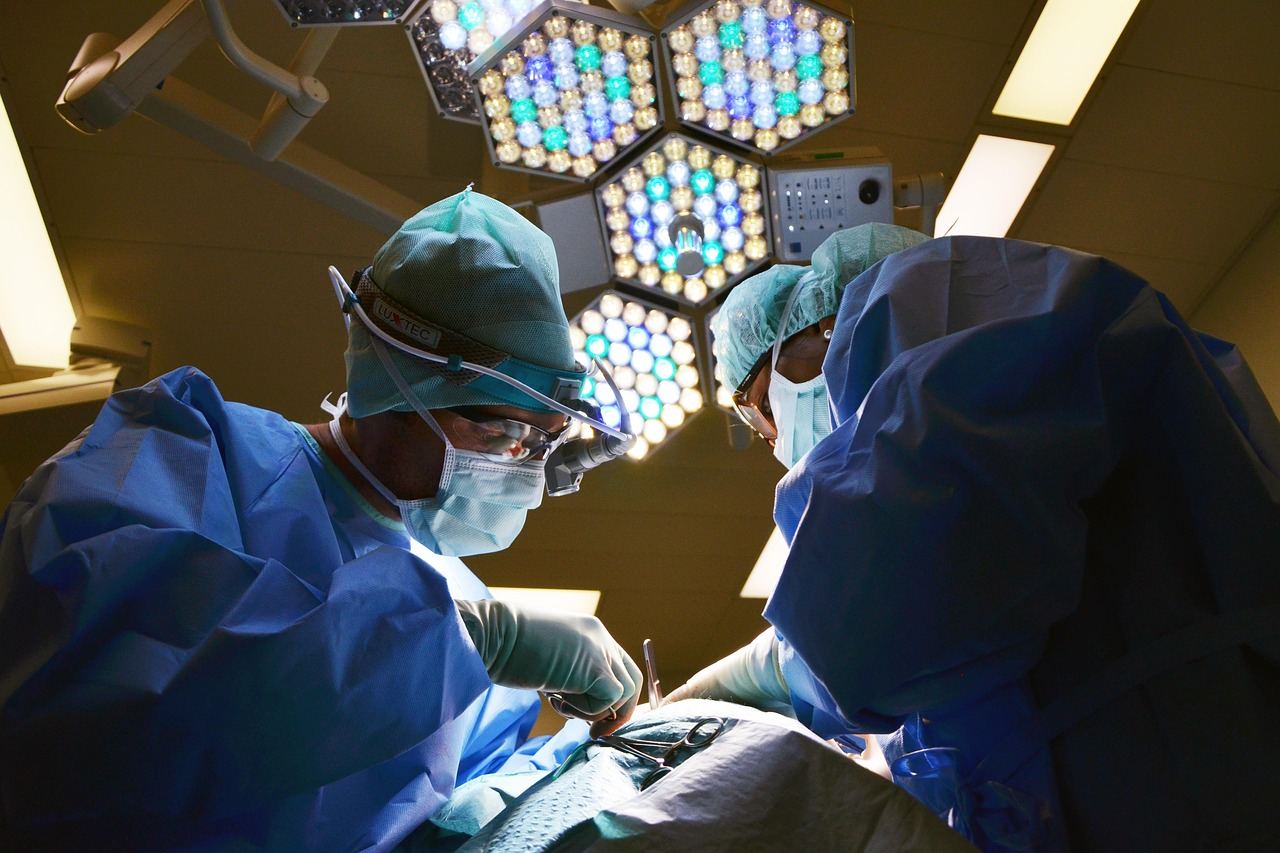
Reconstruction is also often a series of steps rather than a single operation. A first operation may form the breast mound, a later one may refine its shape or match the other side, and a final stage may recreate the nipple and areola.
Implant-based reconstruction
Implant reconstruction uses a breast implant to form a new breast mound. A detailed walk-through of the surgery is available in the guide to implant-based breast reconstruction, and the main points are summarised here.
The Canadian Cancer Society describes an implant as a round sac made of rubberized silicone, filled either with sterile salt water (saline) or with silicone gel, and notes that silicone implants are most commonly used in Canada. The implant is placed in a pocket under or over the chest muscle. Which pocket is used, and which implant, depends on the tissue left after the mastectomy and the surgeon’s assessment.
Two broad routes lead to an implant. In the first, a surgeon places a tissue expander under the skin or chest muscle. The National Cancer Institute explains that the expander is slowly filled with saline or air during periodic visits after surgery, and that the chest tissue is usually ready for the implant 2 to 6 months after the tissue expander is placed. A second operation then replaces the expander with the implant.
In the second route, called direct-to-implant or single-stage reconstruction, the implant goes in during the same operation as the mastectomy. The Canadian Cancer Society notes that this approach is done less often than tissue expansion and commonly uses acellular dermal matrix, a graft made from donated human skin tissue with the cells removed, as a supportive scaffold. The same page adds that it may not be available everywhere in Canada.
The choice between implant materials is its own topic, covered in the comparison of silicone vs saline breast implants. In short, the National Cancer Institute reports that silicone implants may feel more natural to the touch than saline implants, and that the US Food and Drug Administration recommends periodic MRI screening for people with silicone implants to detect silent rupture.
Implants have limits that are worth knowing before choosing them. The Canadian Cancer Society states that breast implants may last 10 to 15 years before they need to be removed or replaced, and that the risk of rupture rises as an implant ages. Possible complications listed by both organizations include infection, fluid build-up called seroma, and scar tissue around the implant called capsular contracture, which can make the breast feel hard and lose its shape.
Reconstruction using the body’s own tissue
Autologous or flap reconstruction rebuilds the breast from living tissue. The National Cancer Institute explains that a piece of tissue containing skin, fat, blood vessels and sometimes muscle is taken from elsewhere in the body and used to form the breast, and that flaps most often come from the abdomen or back, though the thigh and buttocks can also be donor sites.
A flap is either pedicled or free. With a pedicled flap, the tissue stays attached to its original blood supply and is tunnelled to the chest, so blood vessels do not need to be reconnected. With a free flap, the tissue is fully detached and its vessels are reattached in the chest using microsurgery, which the National Cancer Institute describes as a highly technical operation requiring a surgeon with microsurgery experience.
Three flap techniques come up most often, and each has its own page. DIEP flap reconstruction uses abdominal skin, fat and blood vessels without taking the underlying muscle. TRAM flap reconstruction also uses lower abdominal tissue but includes muscle, and can be pedicled or free. The latissimus dorsi flap uses tissue from the middle and side of the back and is pedicled when used for the breast.
| Flap | Type | Where the tissue comes from | Includes muscle |
|---|---|---|---|
| DIEP | Free | Abdomen | No |
| TRAM | Pedicled or free | Lower abdomen | Yes |
| Latissimus dorsi | Pedicled | Middle and side of back | Yes |
| PAP | Free | Upper inner thigh | No |
| IGAP | Free | Buttocks | No |
The flap types in this table are summarised from the National Cancer Institute’s breast reconstruction fact sheet.
Tissue-based reconstruction has a different profile from implants. The National Cancer Institute lists a longer operation and a longer initial recovery, a scar at the donor site, and possible pain or weakness there as trade-offs. On the other side of the ledger, it notes that autologous tissue may provide a more natural breast shape, may feel softer and more natural to the touch, and can replace tissue that radiation therapy has damaged. Obesity, diabetes and smoking may increase the rate of complications with either approach.
Past surgery also matters. The National Cancer Institute notes that people who have had abdominal surgery may not be candidates for abdominally based flaps, which is one reason surgeons review the whole surgical history before suggesting a technique. Thigh and buttock flaps are sometimes used when there is not enough abdominal tissue, and an implant is often added to those flaps to provide enough breast volume.
Timing: immediate, delayed and in between
Reconstruction can be done or started at the time of the mastectomy, which is called immediate reconstruction, or after the mastectomy incisions have healed and other treatment is complete, which is called delayed reconstruction. The National Cancer Institute adds that delayed reconstruction can happen months or even years after the mastectomy. The page on immediate vs delayed breast reconstruction looks at how the decision is usually framed.
The Canadian Cancer Society describes a third pattern, immediate-delayed reconstruction, in which a tissue expander is placed during the first operation and the reconstruction is finished in a later surgery once other cancer treatments are complete. It also says that, when a surgeon recommends delayed reconstruction, it may be done 6 to 12 months after a mastectomy or breast-conserving surgery, and that it can also be done years after treatment.
Radiation therapy is one of the biggest influences on timing. The same source explains that immediate reconstruction with an implant is usually still an option for people who will need radiation, while autologous tissue reconstruction is usually reserved for after radiation so that damaged tissue can be replaced with healthy tissue from elsewhere.
Preference matters as much as medical factors. The Canadian Cancer Society points out that a person may not be ready for more surgery, may not want the risks that come with it, or may be unsure about reconstruction at all, and may therefore remain flat or try a prosthesis before deciding. Waiting does not close the door, since delayed reconstruction can be done long after treatment ends.
Finishing touches and later procedures
Once the breast mound has healed and settled, further steps may refine the result. The best-known is nipple reconstruction. The National Cancer Institute explains that a nipple can be created surgically from small pieces of skin on the reconstructed breast, with the areola usually added with tattoo ink a few months later, or that a tattoo artist who specialises in three-dimensional nipple tattooing can create a flat but realistic nipple and areola.
Surgeons may also use fat grafting breast reconstruction techniques, in which fat taken from another part of the body is placed in the breast area to smooth contours or fill small irregularities. It is typically a refinement stage rather than a primary method, and it is discussed in its own guide.
Not every result is final after the first round of surgery. A reconstructed breast may need adjustment, an implant may need replacing, or a surgeon may suggest changes to improve symmetry. The article on breast reconstruction revision surgery explains why this happens and what it can involve. The National Cancer Institute adds that any type of reconstruction can fail if healing does not occur properly, in which case the implant or flap has to be removed, and that after a failed implant reconstruction a second reconstruction by another method is usually possible.
Surgery on the other breast is sometimes part of the plan. The American Society of Plastic Surgeons notes that a breast lift, reduction or augmentation may be recommended for the unaffected side to improve the symmetry of size, shape and position. Whether that makes sense depends on the individual and is something to raise in a consultation.

Planning for these later stages early helps set expectations. A surgeon can describe which stages are likely for a given technique, roughly how far apart they are spaced and what each one involves, so that the full course of treatment is clear before the first operation.
Choosing an approach, recovery and follow-up care
The National Cancer Institute lists the factors that shape the choice of method: the size and shape of the breast being rebuilt, age and general health, previous surgeries, risk factors such as smoking history and obesity, the availability of autologous tissue and the location of the tumour. The Canadian Cancer Society adds whether chemotherapy or radiation has been or will be given, how much tissue was removed and the person’s own preferences. A consultation with a plastic surgeon is where these factors are weighed for a specific case.
Writing questions down in advance and bringing a support person to the appointment are practical ways to make the most of the time.
Follow-up is part of the process. The Canadian Cancer Society explains that visits may be weekly or monthly in the first year, becoming less frequent as healing progresses, and that scars fade over time but might never go away completely. It also notes that regular mammography is not needed on the reconstructed breast, though it is still needed on the natural breast. Reporting changes such as fluid leaking from the breast, swelling or new skin changes to the healthcare team is described as very important.
The National Cancer Institute notes that people who have reconstruction may benefit from physical therapy to improve or maintain shoulder range of motion, or to recover from weakness at the donor site after flap surgery. A broader look at healing, comfort and long-term health is available in the hub on life after breast cancer surgery.
Coverage and access are a practical part of planning in this country. The Canadian Cancer Society states that breast reconstruction after breast cancer surgery is covered by most provincial and territorial health insurance plans, while the amount and type of coverage vary across Canada. The hub on breast reconstruction in Canada looks at access, coverage and care in more detail.
Frequently asked questions
Is breast reconstruction only for people who had breast cancer?
Show answer
Not exclusively. The American Society of Plastic Surgeons describes the goal as restoring one or both breasts to near normal shape, appearance, symmetry and size following mastectomy, lumpectomy or congenital deformities. A surgeon can explain which situations qualify in a specific case.
Does reconstruction have to happen at the same time as a mastectomy?
Show answer
No. It can be done or started at the time of the mastectomy, or later, including months or even years afterward.
Can the choice be changed later?
Show answer
Often it can be revisited. The National Cancer Institute notes that if an implant reconstruction fails, a second reconstruction using an alternative approach is usually possible, and delayed reconstruction remains an option for people who first chose to remain flat. A surgeon can say what applies in a specific case.
Will the reconstructed breast feel natural?
Show answer
It will feel different. The Canadian Cancer Society explains that the reconstructed breast will not have sensation like a natural breast and will feel numb, and that it may be softer or firmer than the natural breast depending on the type of reconstruction. Some sensation may return over time.
Is breast reconstruction covered in Canada?
Show answer
For most people with breast cancer, yes: most provincial and territorial plans pay for it, according to the Canadian Cancer Society. The details differ from one province or territory to the next, so confirming what a specific plan includes before surgery is the practical step.